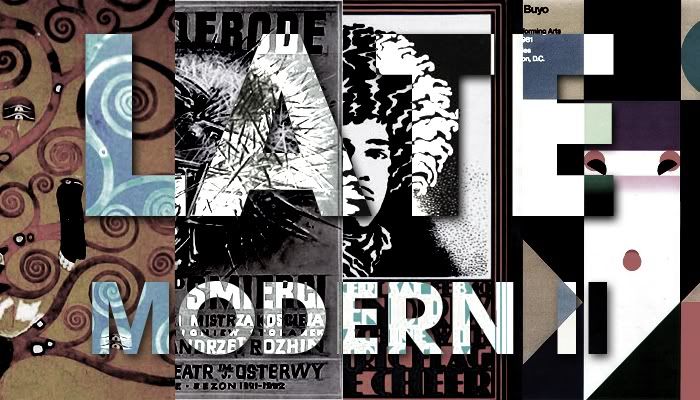
Japonism refers to the influence of the art of Japan. It was influenced by the European avant-garde, a concurrent Modernist movement began in Tokyo around 1910.
After nearly 20 years, Japonism made a comeback and shifted the influence to America.
It became even more apparent at the Osaka World Exposition at 1970 where lots of foreign visitors got the Japanese designers to reexamine their cultural roots and to apply to their architecture, arts & crafts, and graphic design.
It is a style that took on Western images from Pop Art, comic strips and television, and emerged them with high-tech Japanese society.
Japanese graphic styles is recognisable not only by its typography or the occasional japanese visual reference. It also employs the full range of photographic and computer communication-arts tools to transform a two-dimensional surface of a poster. 3D surfaces may produce either elegant harmonies or discordant colours, random shapes and explosive images.
Labels: Japanese
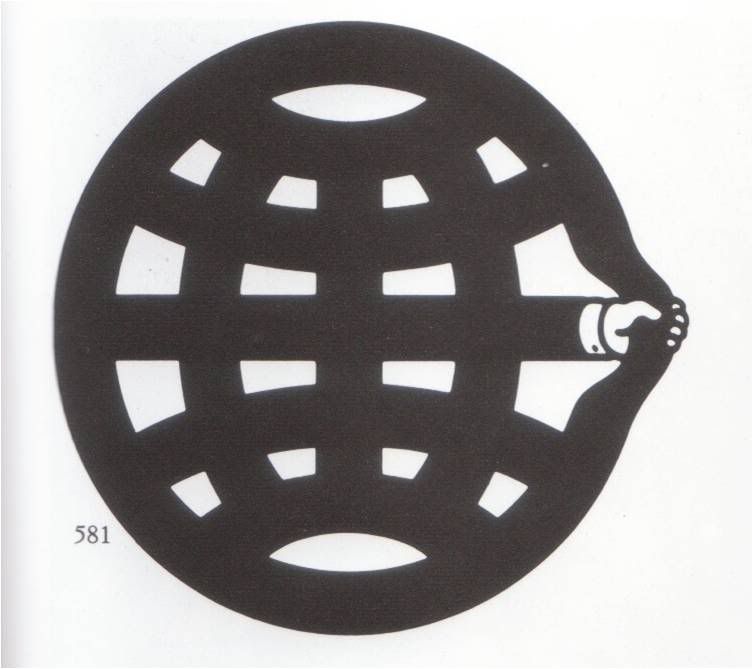
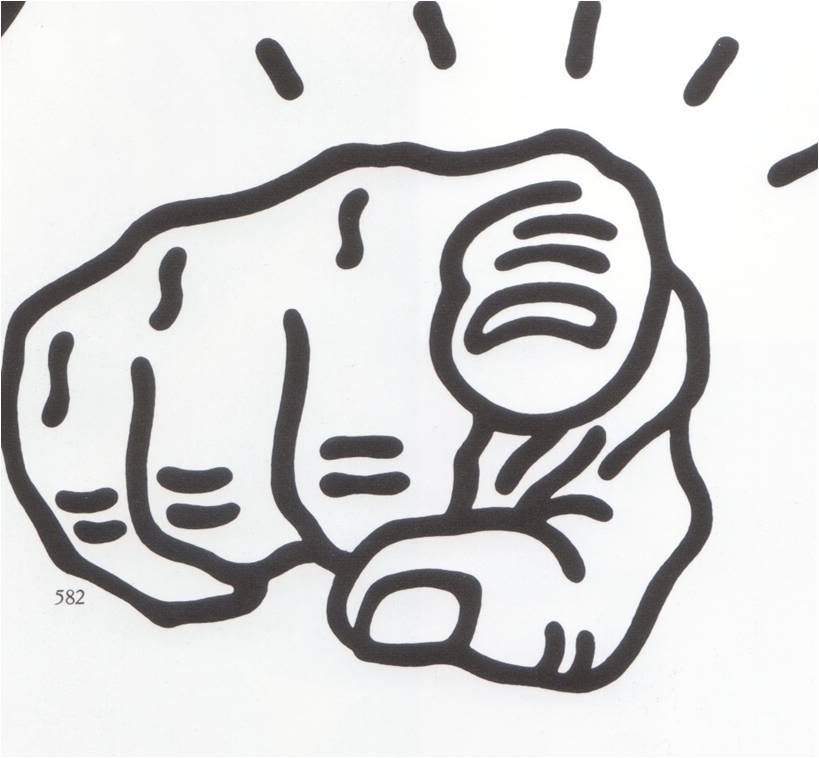
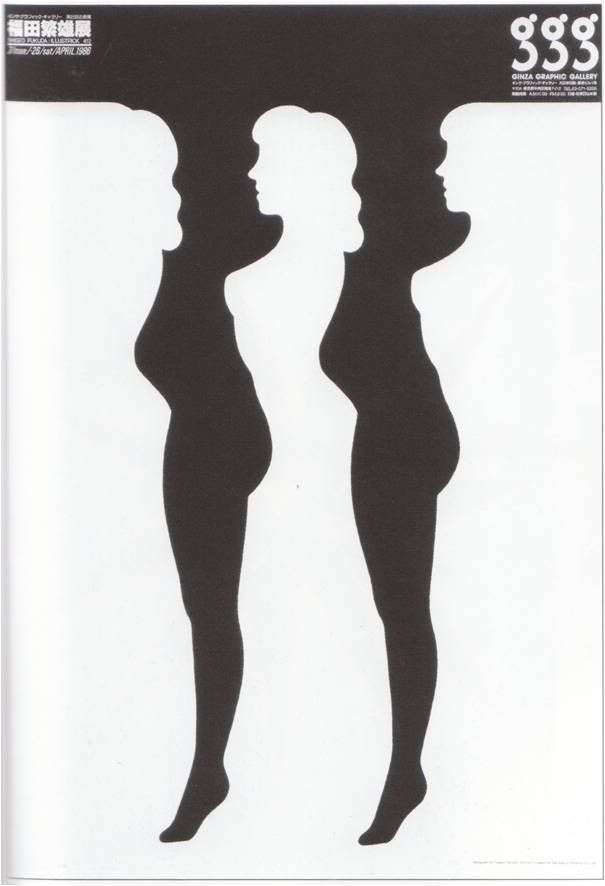
Shigeo Fukuda
Poster for an exhibition of the designer’s work , 1984
Poster for a private exhibition , 1986
One-man exhibition , 1986
Shigeo Fukuda was a sculptor, graphic artist and poster designer who created optical illusions. His art pieces usually portray deception. The first Japanese designer to be inducted into the New York Art Directors Club Hall of Fame, his work is recognizable for its simplicity and use of visual illusions.
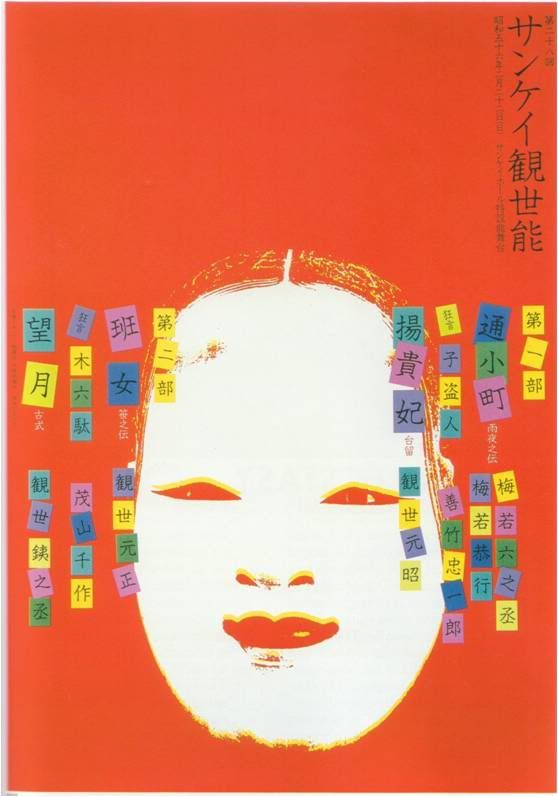
Noh. Performance poster
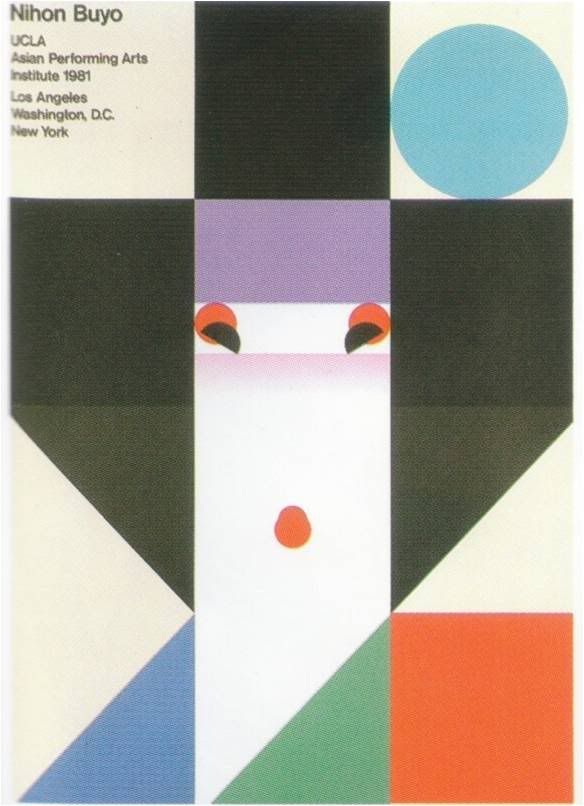
Asian Performing Arts Institute, UCLA, Theater poster
Ikko Tanaka was a well-known Japanese graphic designer. The characteristic of his designs is a mixture of Japanese traditions with western modernism to produce contemporary visual expression. He rose to prominence in the graphics industry in Japan with designs that synthesized Japanese pictorial traditions with popular Western styles of typography and layout. His work symbolised the energy of Japanese graphics communications. He designed posters, corporate logos, book and magazine layouts and exhibition displays, for example the Japanese Government’s History Pavilion displays at Expo ’70, Osaka, and the Oceanic Cultural Museum displays at Ocean Expo ’75, Okinawa. He was also known for his crisp, abstract imagery, meticulous sense of colour and elimination of all inconsequential detail.
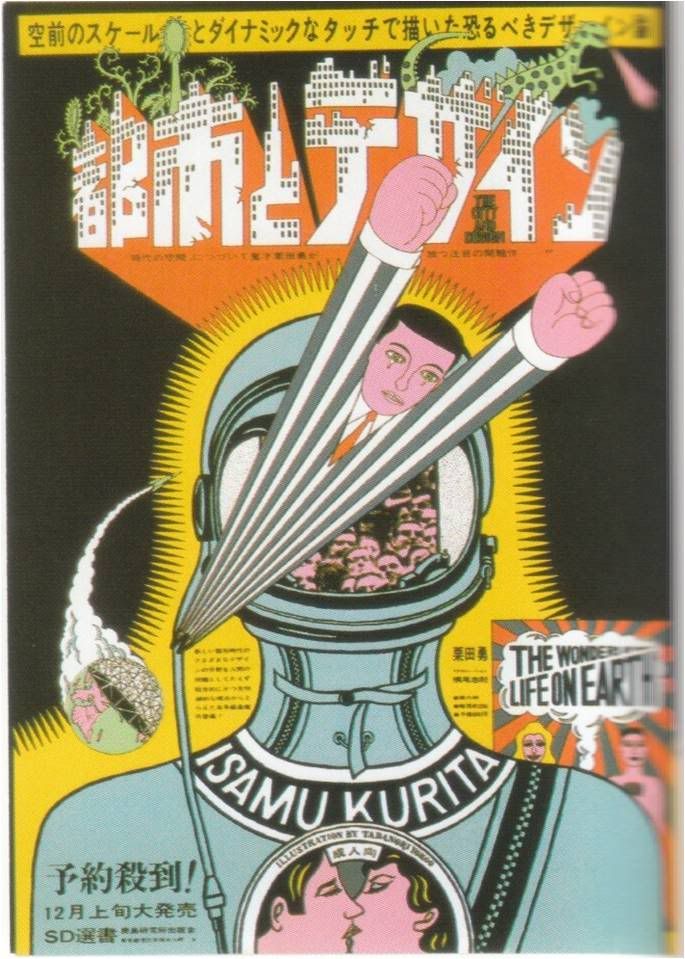
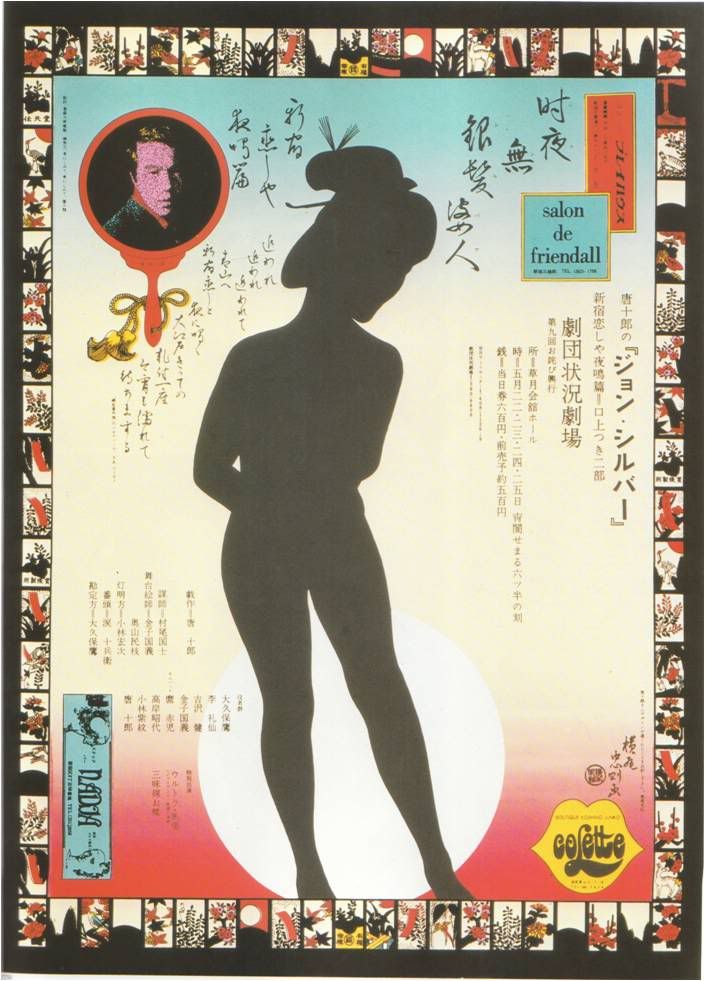
Tadanori Yokoo
The Wonders of Life on Earth, poster, 1965
John Silver, Theater poster, 1967
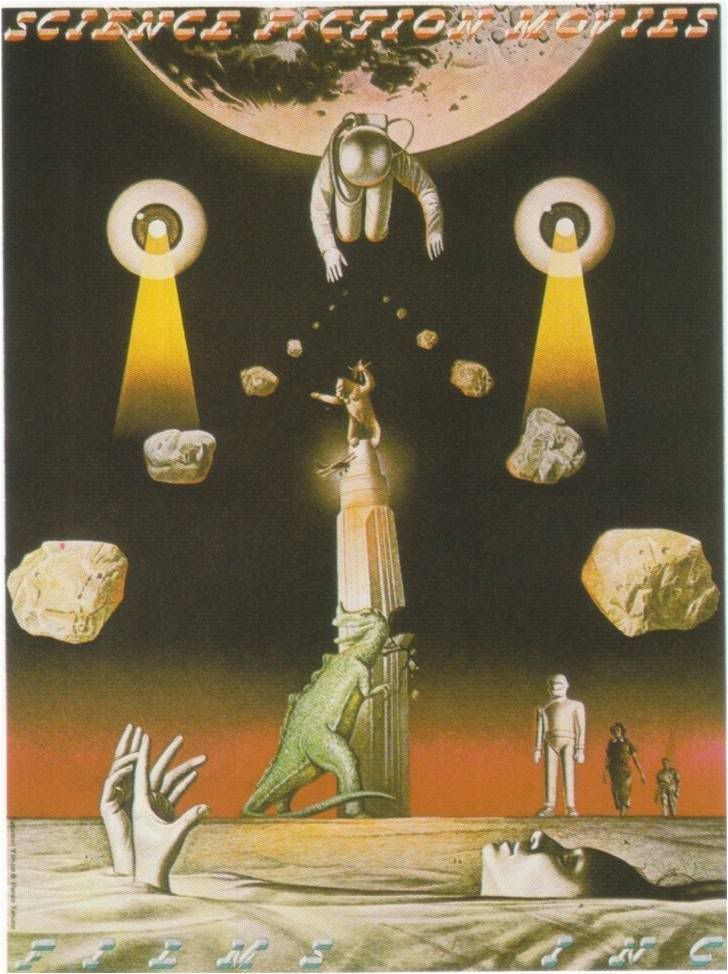
Science Fiction Movies, Film festival poster, 1975
Born 27 June 1936, he is a Japanese graphic designer, illustrator, printmaker and painter who has retired in 1981. He is one of Japan's most successful and recognized designer who was influenced by film maker Akira Kurosawa and writer Yukio Mishima. His complex and multi-layered imagery is entirely original.
By the late 60s he had already achieved international recognition for his work and was included in the 1968 "Word & Image" exhibition at the Museum of Modern Art in New York. He took up painting after he retired and his career continues to this day with numerous exhibitions of his paintings every year.
Labels: Japanese
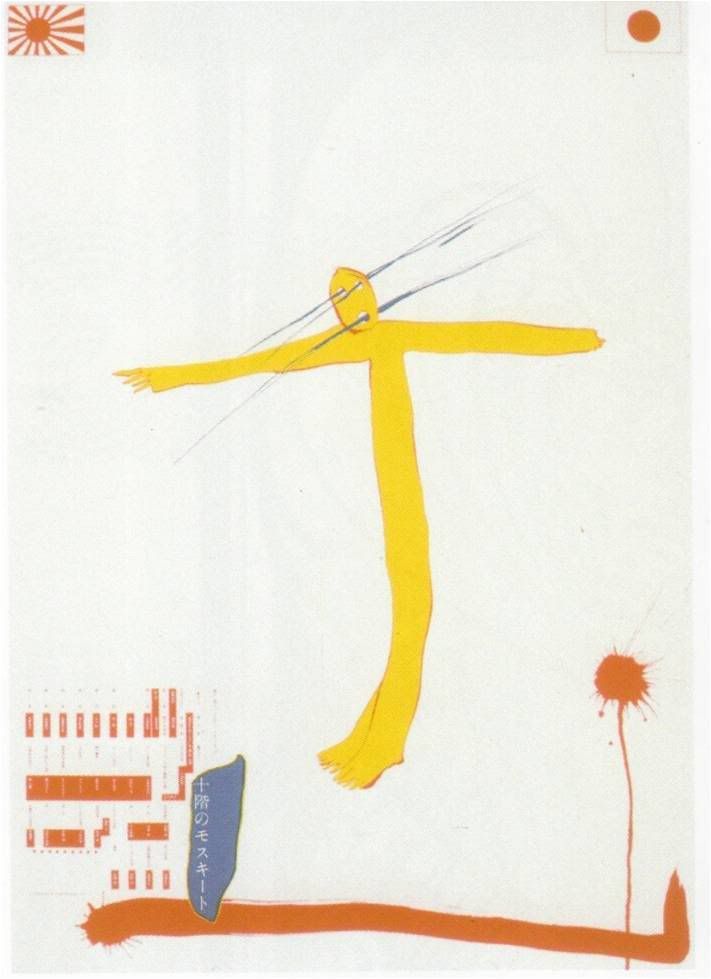
Takashi Nomura, Seitaro Kuroda, 1982
Mosquito on the 10th floor, film poster
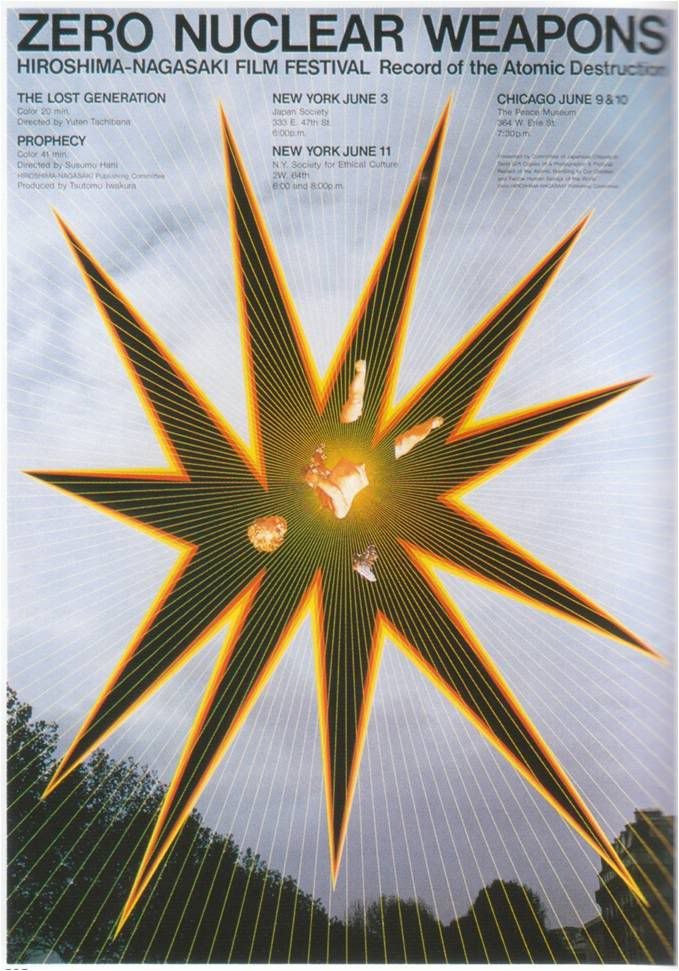
Kazumasa Nagai, 1982
Zero Nuclear weapons poster for Hiroshima-Nagasaki publishing committee
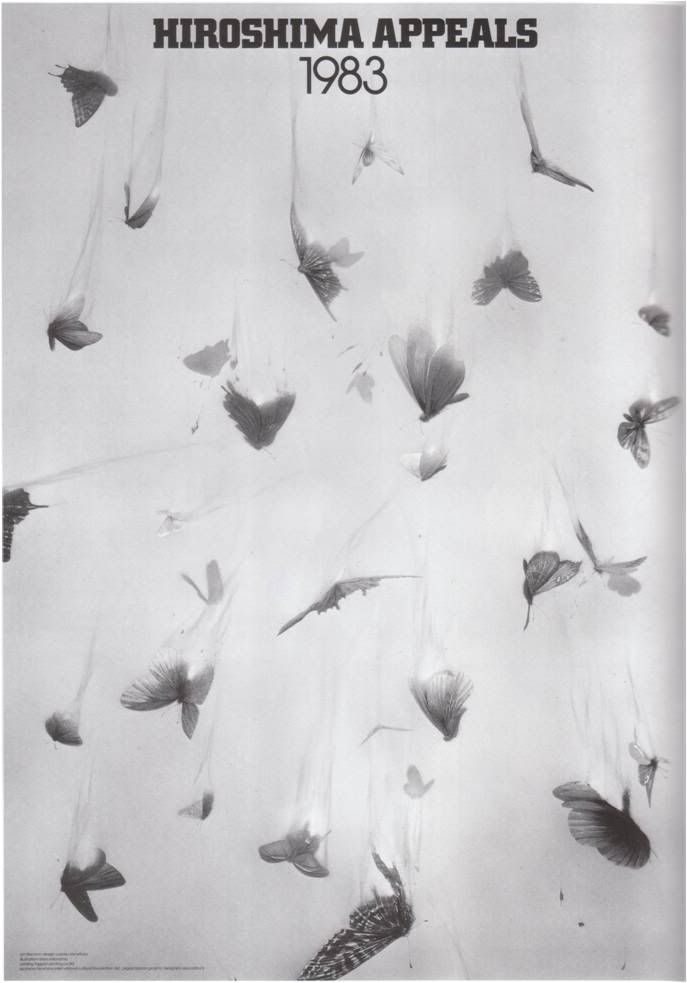
Yusake Kamekura, 1983
Hiroshima Appeals poster
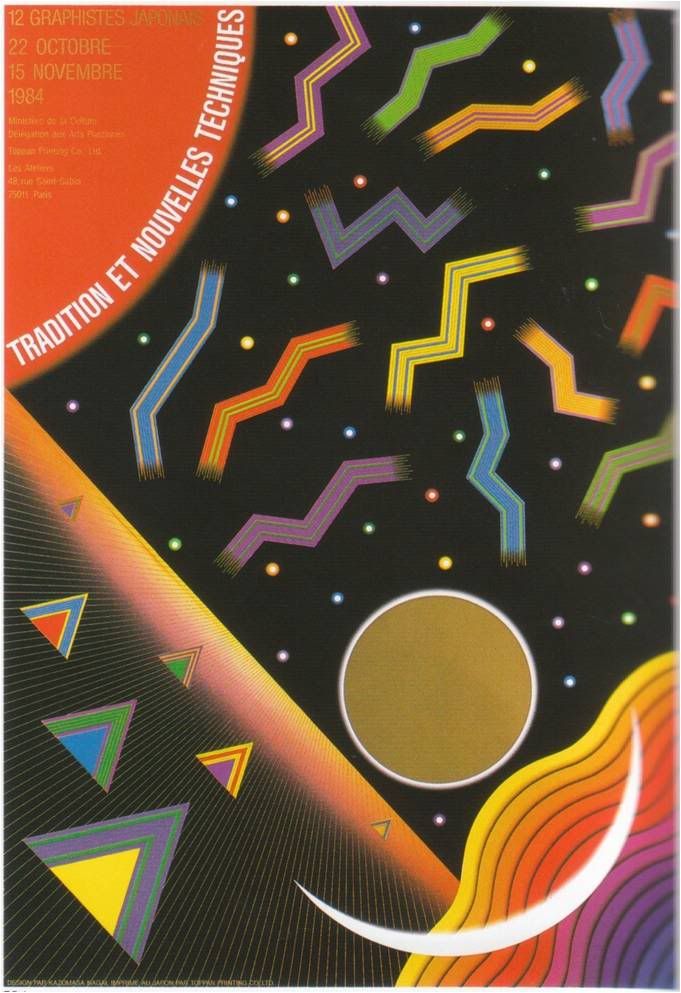
Kazumasa Nagai, 1984
Poster for Japanese graphic art exhibition in Paris
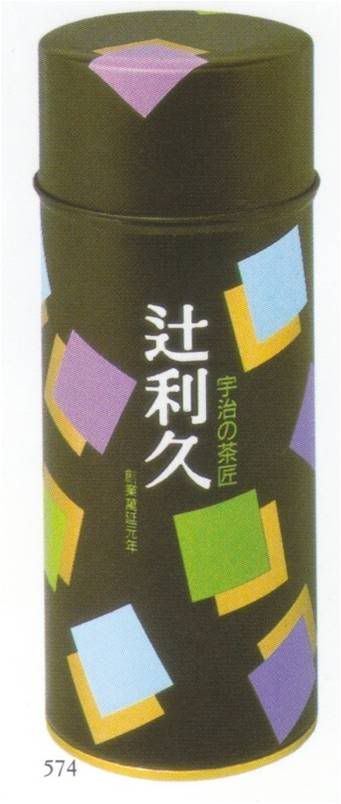
Kenji Itoh, 1986
Package design for tea
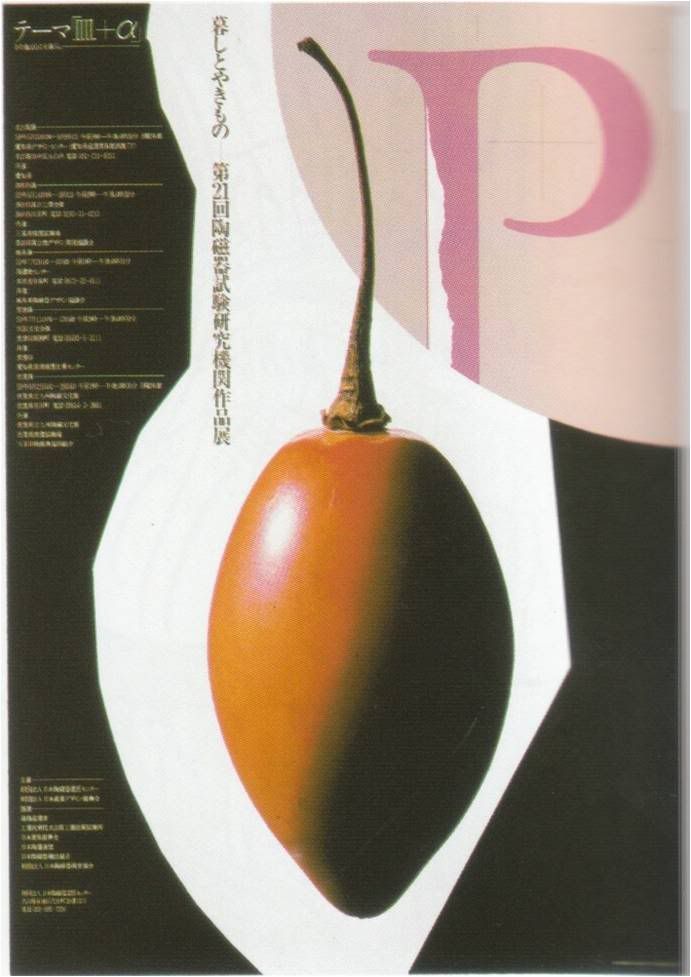
Shigeo Okamoto, 1986
Life and Pottery poster for the 21st pottery test and research center exhibition
Labels: Japanese