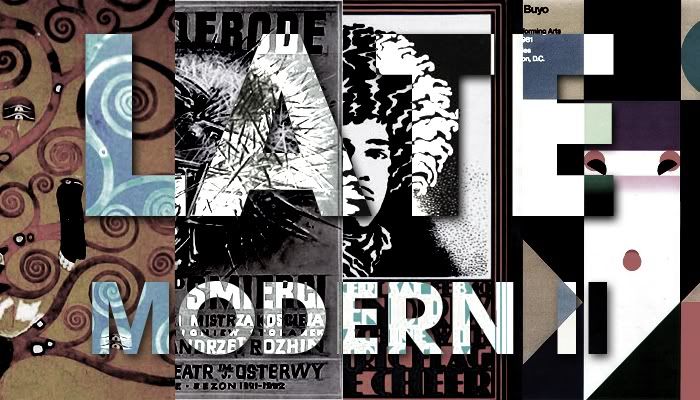
How did polish posters come about?
Contemporary Polish posters arose after WW2 as a spirited attempt to rebuild the war-torn nation.
These posters are used as a form of communication because no televisions and only a few radios and
newspapers were available. The Polish then instituted a state-supported agency to commission and
publish these posters, which mostly announced cultural events, with only a few of them being political
and educational. Film posters is the first fertile ground in which Polish style flowered.
How did they come up with film posters?
The artists capture the film's essence through visual metaphor as scenes from the films are rarely shown.
Cultural posters then became a significant outlet for individual artistic expression, as artists aim to
establish their own styles and identities.
What made polish posters unique?
Even when it's world view is developed fro western styles like Art Nouveau, Surrealism and Pop art,
Polish posters, which are considered as advertising art, it is something that was not seen in the Western
Commerce, which made the 1950s - 1970s the golden age of Polish Posters. Another unique point about
these posters is the fact that these artists used painting, photography and hand-lettering in combinations
that were never known and often disapproved of. Their expression for design contributed to a creative
malaise in the late 70s. In the early 80s however, the need for exciting visual communications was
reestablished.
Labels: Polish


